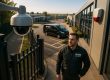


Security plays a central role in the stability of any organisation. Every business, regardless of size or sector, has a responsibility to protect its people, property and day-to-day activity. Yet security often becomes a priority only after an incident, when disruption has already occurred.
Commercial incidents rarely take place in obvious or predictable moments. They tend to emerge in quieter areas of a site or at times when staff are not present. The effects extend beyond the incident itself. They can interrupt operations, reduce confidence among staff and create issues that take time and resources to resolve.
Security in 2026 requires a clear, coordinated approach. This guide explains how businesses can build reliable protection, avoid common weaknesses and ensure their sites are supported during routine operations as well as unexpected events.
Understanding the current risk landscape
Businesses face a wide range of risks that influence their security needs. Crime is only one factor. Working patterns, extended operating hours, increased movement of goods, the presence of valuable equipment, lone working and the use of temporary facilities all shape how a site must be protected.
Despite these pressures, many organisations still rely on single methods of security that feel familiar. Examples include CCTV that records but is not monitored, alarms that activate without trained attendance or a single security officer responsible for a large area without technological support.
These measures each have value, but they also have clear limits when used alone. Effective protection comes from combining the right elements, not relying on one system to manage every situation.
Why CCTV alone is not enough
CCTV is a well-established part of commercial security. It improves visibility, supports investigations and helps deter unwanted behaviour. However, CCTV on its own is reactive. It records events but cannot intervene.
A camera cannot judge a situation, take action or prevent escalation. When footage is reviewed only after an incident, the opportunity to manage the issue at the right time has already been lost. CCTV delivers its strongest results when supported by monitoring and timely response.
Why alarms alone are not enough
Intruder alarms provide early awareness, but they cannot confirm the cause of an activation. Someone must attend the property to assess the situation, secure the area and reset the system.
If staff are expected to handle this, they may attend at times when they feel unprepared or unsafe. Alarm systems remain essential, but they should be part of a wider structure that includes verification and trained attendance.
Why manned guarding alone is not enough
Manned guarding offers strengths that technology cannot replace. A trained officer provides judgement, presence and immediate intervention. Officers support staff, manage access and address incidents directly.
However, no guard can oversee every part of a large or complex site without support. External grounds, multiple floors and extended perimeters create natural limits to visibility. Technology provides the wider awareness that enables guards to act effectively.
Human response remains an essential part of protection, but it is strongest when combined with early detection and clear communication.
Integrated Security: Strength through coordination
Integrated security brings each element of protection into one coordinated system. It is based on three principles: identify activity early, confirm what is happening and respond appropriately.
CCTV and alarms provide the first stage by detecting activity. Monitoring teams review what has been identified and determine whether action is required. Trained officers then attend the site and manage the situation safely.
When these elements work together, protection becomes significantly stronger than when each measure is used in isolation. CCTV without monitoring becomes passive. Alarms without response create delay. Guards without technological support face natural limits.
A coordinated approach provides consistent oversight, better decision-making and a dependable level of protection.
Building a strong security strategy
A reliable strategy begins with understanding the environment. A professional assessment reviews the site layout, visibility, lighting, access routes, assets, staff activity and nearby risks.
This allows organisations to identify areas where improvements will have the greatest benefit. With this understanding, CCTV placement, alarm design, monitoring arrangements, patrol routines and guarding requirements can be shaped around the site rather than added as standalone measures.
A strong strategy focuses on early detection, timely response and clear procedures that support daily operations.
Applying integrated security across different environments
Warehouses and Distribution Centres
Large internal spaces, loading bays and external yards require consistent visibility. CCTV, alarms, monitoring and on-site officers often work together.
Construction Sites
With open boundaries, changing layouts and valuable materials, construction sites benefit from temporary CCTV, alarms, patrols and on-site guarding.
Office Buildings
Access control, CCTV and alarms support daily operations. Monitoring and keyholding provide out-of-hours reassurance without placing responsibility on staff.
Retail Stores and Retail Parks
CCTV and alarms protect stock and staff, with patrols providing oversight across shared areas and external spaces.
Vacant Properties
Vacant properties face increased risks of trespassing and damage. CCTV where appropriate, alarms, keyholding and scheduled inspections help maintain safety and compliance.
In all settings, protection is strongest when measures support one another.
Common weak points in commercial security
Gaps in security often arise from assumptions rather than lack of interest. Common examples include CCTV that is not monitored, alarms that are not attended quickly, guards working without technological support or vacant properties left without checks.
Other weaknesses include unclear escalation procedures, outdated equipment and measures that haven’t been reviewed for several years. Integrated security reduces these risks by ensuring each part of the system works in coordination.
The Role of professional support
Professional security providers offer structure, consistency and reassurance. They monitor systems, attend alarm activations, carry out patrols and provide reporting that helps organisations maintain a clear understanding of their security position.
They also help businesses meet insurance requirements and ensure that incidents are handled by trained personnel rather than by employees who may not feel prepared or safe in those situations.
The importance of annual reviews
Security needs change as businesses evolve. A site may alter its operating hours, expand its footprint, introduce new equipment or modify its layout. These changes influence risk, often in ways that are easy to overlook.
For this reason, every organisation should review its security arrangements annually. These reviews ensure that CCTV remains effective, alarm systems function correctly, procedures stay relevant and the overall approach continues to match the environment.
Security expectations in 2026
Businesses operate in an environment shaped by extended hours, remote working patterns, the movement of high-value goods and greater attention on staff safety. Technology has advanced and professional guarding has become more structured, but no single measure offers complete protection on its own.
Security in 2026 depends on balance: visibility through CCTV, early awareness from alarms, oversight through monitoring and the direct support of trained officers. When these elements work together, organisations gain a consistent and dependable level of protection across their sites.
Bringing your security strategy together
A coordinated, layered approach provides the strongest protection for commercial properties. By combining CCTV, alarms, monitoring, manned guarding, mobile patrols, keyholding and alarm response, organisations gain reliable coverage that individual measures cannot achieve alone.
If your organisation is reviewing its security arrangements or planning ahead, Rivo Security and Monitoring can provide clear and practical guidance.
You can contact info@rivosecurity.com, call 0113 487 3999, or visit rivosecurity.com. The head office is located at Anchor House, Thornhill Road, Dewsbury, WF12 9QE.